
Can biotechnology save endangered species?
Can biotechnology save endangered species?
Can modern biotechnologies make endangered species more resilient to climate change and disease? The United Kingdom is investing approximately 54 million pounds in new research approaches that could open up additional possibilities for traditional conservation efforts in the future.
Climate change is altering habitats at a pace that many animal and plant species can barely keep up with. New diseases are spreading, periods of drought are becoming more frequent, and entire ecosystems are coming under pressure. Traditional conservation efforts aim to preserve habitats, stabilize populations, and reduce harmful impacts. But what happens when these measures alone are no longer enough?
In the United Kingdom, researchers are currently exploring an approach that has so far been used primarily in medicine and agriculture: biotechnology may help wild species become more resilient to diseases and changing environmental conditions.
The British research agency ARIA (Advanced Research and Invention Agency) is providing approximately 54 million pounds for this purpose. As part of the “Accelerated Adaptation” program, various research teams are investigating how the natural adaptability of species can be specifically supported or accelerated.
Making Trees More Resistant to Disease
One focus of the research is on Europe's forests. This is because, in addition to rising temperatures and increasing drought, introduced and emerging pathogens are also taking a toll on many tree species.
Several research groups are therefore investigating how trees could be better protected against fungal diseases. One project, for example, is developing an RNA-based approach designed to target specific pathogens. Another research effort is exploring whether even mature trees can be made more resistant after the fact.
Increasing drought is also a factor. Researchers at the Royal Botanic Gardens, Kew, are investigating whether seeds can be treated in such a way that the resulting trees are better able to withstand prolonged periods of drought.
Help for Amphibians and Pollinators
It's not just plants that could benefit from these new technologies. Unconventional approaches are also being explored when it comes to animals.
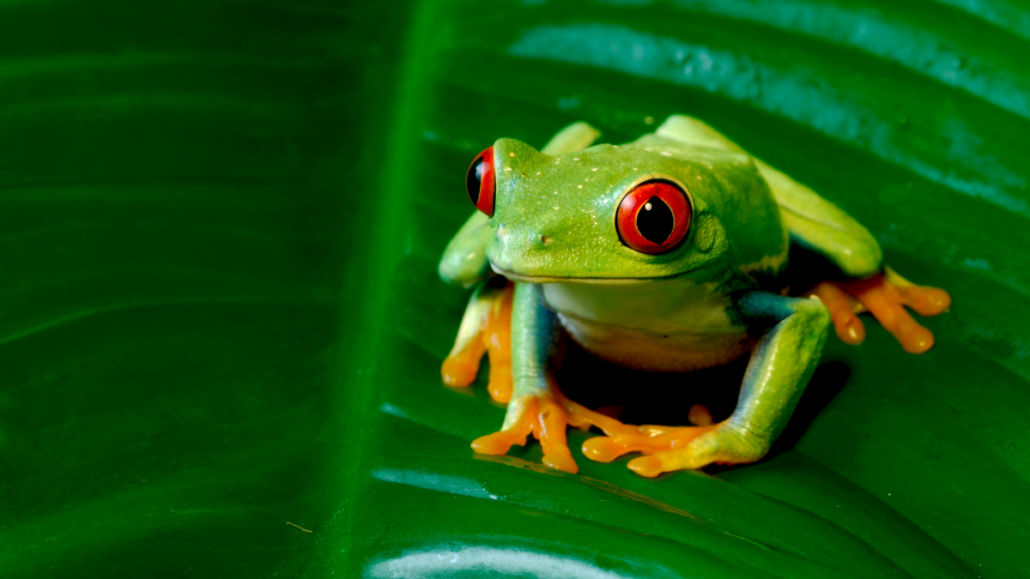
One project focuses on amphibians and the dangerous chytrid fungus, which threatens numerous populations of frogs, toads, and other amphibians worldwide. The project is investigating whether genetically modified microorganisms applied to the animals’ skin can improve their resistance to the infection.
Other research teams are focusing on pollinators. Among other things, they are investigating ways to better protect wild pollinators against viral diseases. Given their importance to the reproduction of numerous wild and cultivated plants, such developments could have implications far beyond the protection of individual species.
Even moors and coastlines could benefit
However, the research is not limited to well-known animal and tree species. It also focuses on unassuming plants that are crucial to entire ecosystems.
Sphagnum mosses, for example, form an essential foundation for many peatlands. These ecosystems can store large amounts of carbon over long periods of time. A research project is therefore investigating how sphagnum mosses could be made more resilient to changing climatic conditions.
Another approach focuses on beach grass. The plant stabilizes sand dunes and thus contributes to natural coastal protection. Researchers want to find out whether its adaptation to changing environmental conditions can be accelerated.
To what extent should we interfere with nature?
In the future, targeted biotechnological interventions could prevent individual populations from collapsing due to disease, heat, or drought. At the same time, natural ecosystems are highly complex. Changes to one species can have an impact on other species and, consequently, on entire food chains.
A particularly difficult question in this context is how to assess potential long-term consequences. While many biotechnological processes can be studied under controlled conditions, the situation in the natural environment is much more complex.
ARIA takes these uncertainties into account and, in addition to biological research, also funds work on modeling, data validation, ethics, and governance. This is because, before such technologies are actually deployed in the natural environment, their potential consequences must be carefully examined.
Thinking Ahead.
Biotechnology will not be able to protect forests, wetlands, or pollinators in the long term if their habitats continue to disappear and the pressures caused by climate change continue to increase. However, it could provide nature conservation with an additional tool in the future.
If we have the technical capabilities to help a threatened species adapt—should we then use them?
What options is the British research program “Accelerated Adaptation” exploring?
You can answer this question. Sign in to earn points.