
How Europe's Cities Are Reclaiming Their Streets – Mobility for Livable Urban Spaces
How Europe's Cities Are Reclaiming Their Streets – Mobility for Livable Urban Spaces
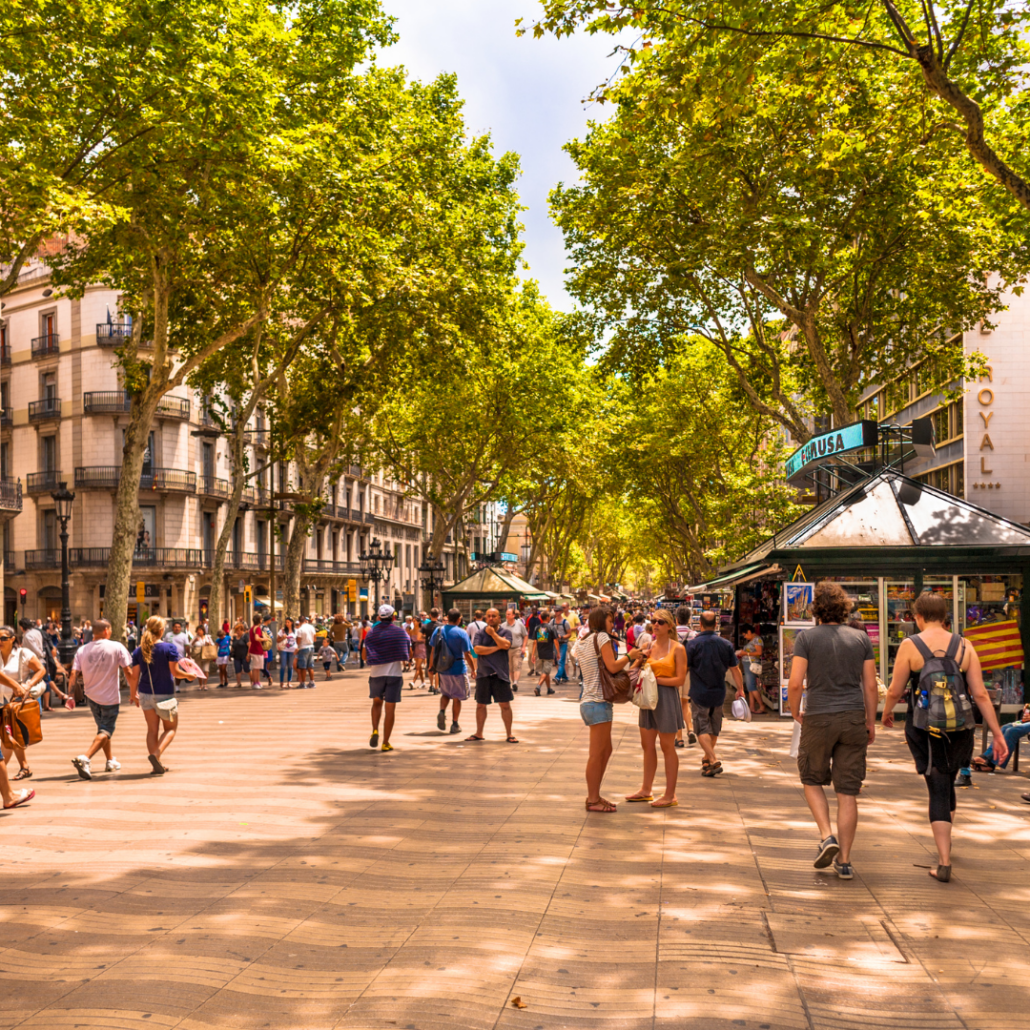
Streets are more than just thoroughfares. They are routes to school, places to shop, meeting spots, and a major part of our public space. Yet for decades, they were designed primarily for moving and parked cars. In European cities, this perspective is changing: where parking spaces and through traffic once dominated, green spaces, safe paths, and places to linger are now emerging.
European Mobility Week, taking place September 16–22, puts this development in the spotlight. Under the motto “Mobility for All,” the 2026 edition will also address the question of how public spaces can be made accessible and usable for different generations.
Paris: Streets Are to Be Transformed into Green Spaces
This transformation is particularly evident in Paris. For years, the city has been focusing on bike lanes, traffic-calmed school zones, and more green spaces along its streets.
In a public survey conducted in March 2025, approximately 66 percent of participants voted in favor of greening an additional 500 streets and redesigning them for pedestrian traffic. This is a development goal, not a measure that has already been implemented. The low turnout also shows that approval in a survey does not automatically mean there is a broad social consensus.
Nevertheless, the direction is clear: Fewer impervious surfaces and more trees are intended to do more than just change the cityscape. They can provide shade, absorb rainwater, and help alleviate the summer heat locally.
Barcelona: Neighborhoods Instead of Through-Traffic Corridors
Barcelona is taking a similar approach with its “superblocks” and green street corridors. Through traffic is restricted, while access for residents, deliveries, and necessary trips is to be maintained.
In the densely built-up Eixample neighborhood, sections of four streets—including Consell de Cent—have been transformed into green corridors. New plazas, trees, and seating areas are changing how the street space is used there: people can meet up, children have more room to play, and walking has become more pleasant.
The point isn't to make every street completely car-free. What matters is which traffic is actually necessary—and which is simply using a neighborhood as a shortcut.
Ghent: Through traffic will be rerouted
The Belgian city of Ghent shows that even changes to traffic routing can make a big difference. Since 2017, a traffic plan has divided the city center into several zones. Drivers who want to travel between these zones are generally routed via the ring road instead of driving straight through the city center.
The center will remain accessible. At the same time, it will be more difficult to use it as a through route. Direct connections for pedestrians and cyclists will remain in place.
The principle behind it is simple: A city can accommodate necessary car trips without giving all its streets over to through traffic.
Reducing traffic requires good alternatives
Changes like these don't happen on their own. If cars are simply pushed onto neighboring streets, the problem is merely shifted elsewhere. Without reliable bus and train service or safe bike lanes, everyday life becomes more difficult for many people.
Delivery drivers, caregivers, people with limited mobility, and commuters must also be taken into account. For local businesses, it’s not just the number of parking spaces that matters, but whether customers can easily access them. Whether a renovation will boost retail must be assessed on a case-by-case basis—blanket promises of success are just as unhelpful as blanket rejection.
A Different Use of the Limited Space
The examples illustrate different approaches, but all share the same underlying idea: streets can do more than just accommodate traffic.
When less space is needed for cars, opportunities arise for green spaces, social interaction, and physical activity. This can make cities quieter, safer, and more resilient to heat. The prerequisites are well-thought-out planning, viable alternatives, and a willingness to address any issues that arise after implementation.
A livable city isn’t created by cleaner cars alone. It’s also created by ensuring that its limited space benefits more people.
What fundamental principle connects the examples from Paris, Barcelona, and Ghent?
You can answer this question. Sign in to earn points.